After nine years of covering the mobile landscape, I’ve seen the industry undergo a seismic shift. When I first started writing about app ecosystems and UX changes, the market was defined by the "hit-and-run" mentality. Users downloaded a title, played it until completion, and moved on. Today, the conversation has moved toward the "forever game." We are no longer just looking at applications; we are looking at integrated, living environments that demand constant attention.
Understanding the distinction between standalone vs ecosystem gaming is critical for developers, media publishers, and stakeholders alike. Whether you are working with a regional powerhouse like the Herald-Dispatch or navigating the complexities of the HD Media Company, LLC digital infrastructure, the difference in strategy is stark. Let’s break down how the modern "live service mobile" model has replaced the traditional standalone approach.
What is a Standalone Game?
A standalone game is, by definition, a contained product. You pay, you play, and the experience is finished when you hit the end credits. Historically, these games relied on strong initial marketing and high upfront purchase costs. They were the "console experiences" of the mobile era—static, unchanging, and localized to the device’s internal storage.
The primary characteristics of a standalone game include:

- Finite Content: The developer ships a product that is "complete." There is no expectation of new content updates or a "content refresh" cycle. Single Purchase Model: Usually a premium upfront cost or a one-time unlock. Offline Capability: Many standalone titles don't require an active connection, making them less reliant on servers or cloud infrastructure. Disconnected Experience: These games rarely interact with other applications or services. They live in a silo on your home screen.
The Rise of the App Ecosystem Game
Contrast this with the app ecosystem model. These games are designed as live service mobile platforms. Instead of being a one-off product, the game acts as a portal. It is inextricably linked to an ecosystem—often integrating with news feeds, social media platforms, and centralized user accounts. This is where companies like HD Media Company, LLC have seen the most significant growth in engagement metrics.
By leveraging tools like the BLOX Content Management System, publishers can push game assets, daily puzzles, or editorial content updates to their mobile apps without requiring the user to download a new version from the App Store. The game is never truly "finished"; it is constantly updated via cloud-based systems to keep the user engaged.
Key Pillars of the Ecosystem Model
Short-Session Play: Ecosystem games are designed for the "commuter economy." They are built for 3-5 minute intervals that fit perfectly into a busy day. Centralized Downloads: These games are often hosted within a "Super App" environment. For example, a reader might use the Herald-Dispatch app to check the news, but stay for the daily crossword or word-hunt challenge. Frequent Engagement: Through the use of push notifications and synchronized daily challenges, the ecosystem ensures the user returns tomorrow, the day after, and every day thereafter.The Role of Content Refresh and Retention Design
The "secret sauce" of the app ecosystem game is retention design. Unlike standalone games, which rely on the quality of the narrative arc, ecosystem games rely on the psychology of the habit loop. I have sat in on countless analytics demos where product managers obsess over the "DAU" (Daily Active User) metric.
The key to maintaining high DAU is the content refresh. When a user opens an app, they expect a new challenge, a new badge, or a refreshed leaderboard. By integrating these games into a larger content ecosystem—using platforms like the BLOX Content Management System—publishers can serve fresh puzzles every morning. This makes the app a necessary part of the user’s morning routine, effectively turning a "game" into a "utility."
Monetization and Convenience: The Digital Wallet Factor
A major friction point in early mobile gaming was the checkout process. In the standalone era, users were often deterred by clunky payment gateways. Today, ecosystem games benefit from the widespread adoption of digital wallets.
By integrating frictionless payments through Apple Pay or Google Pay, ecosystem games can offer micro-rewards, "skip-the-wait" power-ups, or premium subscriptions that enhance the user experience. Because the game is part of an ecosystem, these transactions feel secure and natural. The user isn't just buying an "item" for a game; they are participating in a loyalty program that recognizes their activity across the entire publisher platform.
Comparative Analysis: Standalone vs Ecosystem
To better understand the shift, let’s look at how these two models compare across key performance and structural metrics:
Feature Standalone Game App Ecosystem Game Lifecycle Finite (Ends at completion) Perpetual (Ongoing content refresh) Infrastructure Local storage Cloud-based systems / API-driven Engagement Deep, long-session play Short-session, frequent recurrence Update Method Full app store re-download Seamless backend sync (BLOX/CMS) Retention Narrative interest Daily challenges / Social rewardsWhy Mobile Accessibility and Convenience Matter
The transition from standalone to ecosystem is, at its core, a move toward mobile accessibility. Users today are overwhelmed by choice. They are less likely to download a brand-new, unknown game that takes up significant storage space and requires a steep learning curve. Instead, they gravitate herald-dispatch.com toward environments they already trust.
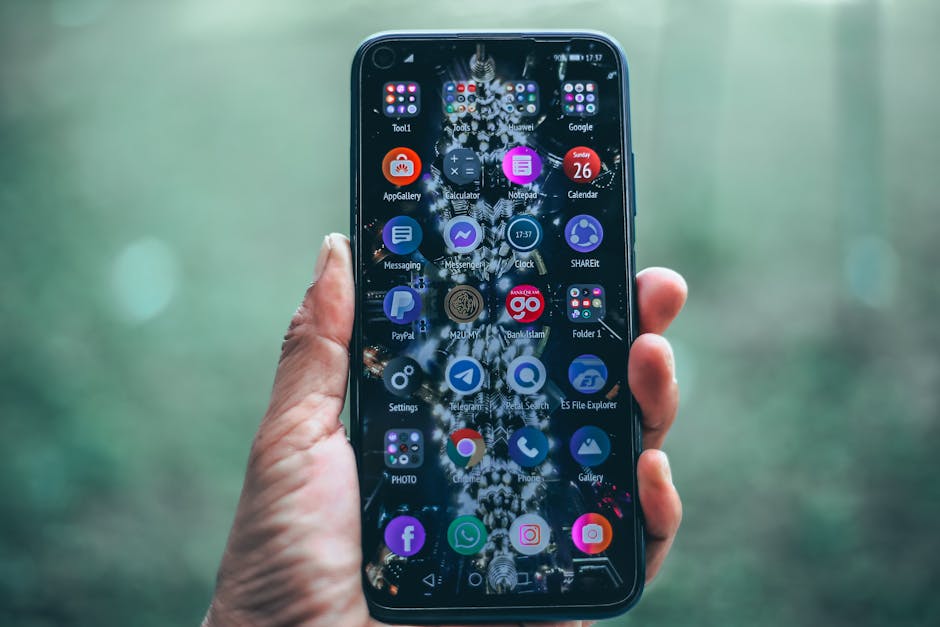
When the Herald-Dispatch implements a puzzle game within their mobile app, they aren't just creating a game; they are extending their brand value. The convenience of having your morning news, your local weather, and your daily brain-teaser all under one roof is an unbeatable value proposition. This is the definition of a successful app ecosystem game.
The Future: Why Publishers Must Adapt
As a writer who has interviewed dozens of developers about these retention features, I can tell you that the standalone model is rapidly becoming a niche category. While there will always be a market for immersive, premium, one-off mobile experiences, the commercial growth is entirely in the ecosystem space.
Publishers who ignore the power of cloud-based systems and failing to implement "live service mobile" strategies are missing out on the primary way modern users interact with their devices. Whether you are a local media house or a global brand, the strategy is clear:
- Build for recurrence: Implement daily challenges that reward the user for coming back. Utilize modular CMS tools: Platforms like the BLOX Content Management System allow for rapid content deployment without app store fatigue. Remove friction: Enable digital wallets so that users can support your ecosystem without breaking their flow. Think in ecosystems: Don't treat your game as an island; make it a gateway to the rest of your brand’s content.
In conclusion, the shift from standalone vs ecosystem gaming is one of the most important developments in mobile product history. We are moving away from the era of "I bought this app" to the era of "I belong to this ecosystem." For publishers, developers, and media entities like the HD Media Company, LLC, this is the blueprint for the next decade of mobile success.